

OPPORTUNITIES IN THE WIND SECTOR AND HOW TO BE THERE:-

Renewable Energy Sector Skill Council
Educate. Empower. Energize.
Introduction to Wind Energy
Wind energy has emerged as one of the fastest-growing renewable sources, reducing dependence on imported fossil fuels, creating thousands of green jobs, and providing affordable electricity to communities.
Transitioning to renewable energy is not just an environmental necessity—it is an economic opportunity that drives innovation, energy security, and sustainable development.
The Importance of Green Energy in Today’s World:-
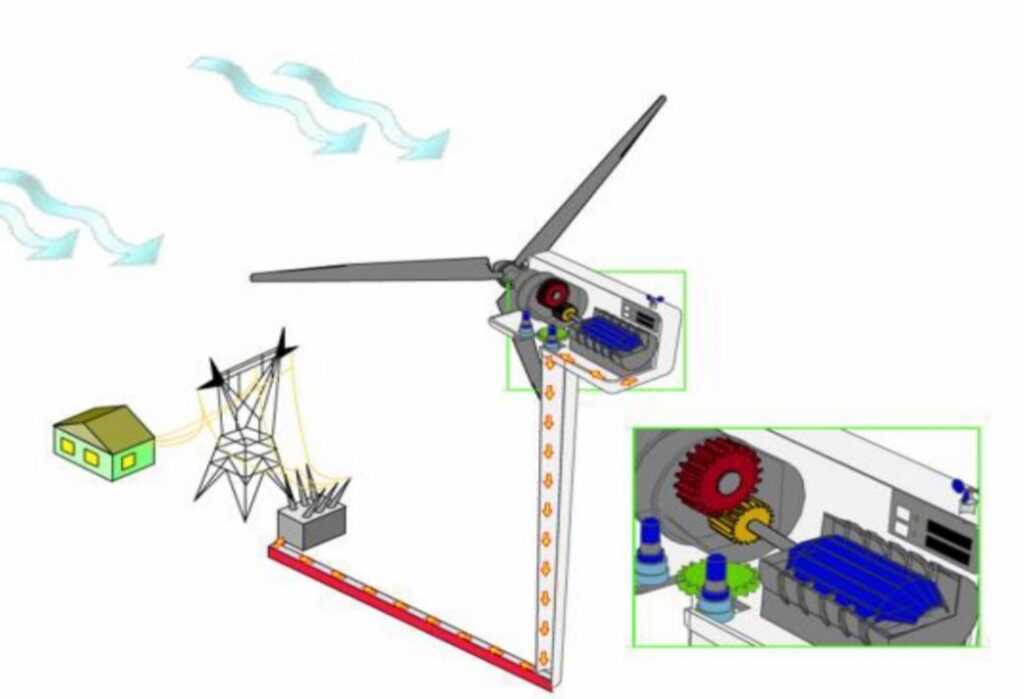
Wind Energy Production
Wind Energy Supply Chain
Upstream – Component Manufacturing
Midstream – Assembly & Logistics
Downstream – Installation & Commissioning
Operations & Maintenance (O&M)
Circular & End-of-Life Management
Global Wind Energy Landscape (as of 2024)
Installed Capacity
Worldwide total: ~1,030 GW (GWEC Global Wind Report 2024)
Onshore wind: ~890 GW
Offshore wind: ~140 GW
Wind energy supplies over 8% of global electricity demand
Key Global Players
China: >440 GW (~45% of global total)
European Union: ~220 GW (Germany, Spain, UK, Netherlands)
USA: ~150 GW (rapid offshore expansion)
India: ~45 GW (emerging manufacturing hub)
Future Outlook:-
Global capacity forecasted to reach ~2,300 GW by 2030
Offshore wind expected to contribute ~25% by 2030
Growth driven by cost reductions and floating wind technologies
Sri Lanka Wind Energy Market (2025–2044)
Current & Projected Capacity
Installed capacity (2024): ~250 MW
Planned additions: ~2,350 MW
Total by 2044: ~2,600 MW
Development Focus Areas
Mannar, Pooneryn, Kalpitiya, Jaffna
Offshore wind exploration beyond 2040
Hybrid integration with solar & battery storage
Strategic Opportunities:-
IPP investments under CEB renewable plan
Local manufacturing, logistics, installation & O&M
Demand for GWO-certified technicians & engineers
Consulting: EIA/IEE, grid studies, SCADA, project management
Building a Career in the Wind Power Sector:-
- Wind Resource Analyst
- Civil Engineer
- Electrical Engineer
- Mechanical Engineer
- Wind Turbine Technician
- SCADA Operator / Data Analyst
- Environmental Scientist
- Health & Safety Specialist
- Logistics & Crane Coordinator
- Renewable Energy Trainer / Instructor
- Project Manager
- Energy Policy & Sustainability Expert
- Financial & Investment Analyst
- Wind Energy Research Scientist
- Blade Repair Technician
- Tower Fabrication Technician
- Supply Chain & Procurement Specialist
- GIS & Mapping Specialist
- Offshore Wind Engineer
- BESS Engineer (Battery Energy Storage Systems)
- Hydrogen Engineer
Educational Qualifications (Entry Routes)
After O/L or A/L
Technician Diplomas (NVQ 4–6: NAITA, TVEC, CGTTI, Ceylon-German College)
Roles: Turbine Technician, Safety Assistant, Maintenance Helper
Undergraduate Level
BSc / BEng (Electrical, Mechanical, Civil, Environmental, Renewable Energy)
Roles: Project Engineer, O&M Engineer, Design Engineer
Postgraduate Level
MSc (Renewable Energy, Energy Systems, Sustainability)
Roles: Energy Analyst, Project Manager, Consultant
Specialized Certifications
GWO, IRATA, ISO, NEBOSH
Roles: Technician, Safety Officer, Inspection Specialist
Short Courses
SCADA, PLC, GIS, Drone Inspection, Energy Auditing
Roles: SCADA Operator, Data Analyst, Environmental Monitor
Global Wind Energy Institutions
GWEC – Global Wind Energy Council
IRENA – International Renewable Energy Agency
WWEA – World Wind Energy Association
NREL (USA)
DTU Wind & Energy Systems (Denmark)
GWO – Global Wind Organization
World Bank & IFC
Asian Development Bank (ADB)
UNIDO
Sri Lankan Institutes Related to Wind Energy
Ceylon Electricity Board (CEB)
Sri Lanka Sustainable Energy Authority (SLSEA)
Public Utilities Commission of Sri Lanka (PUCSL)
Central Environmental Authority (CEA)
Board of Investment (BOI)
NAITA
TVEC
CGTTI